
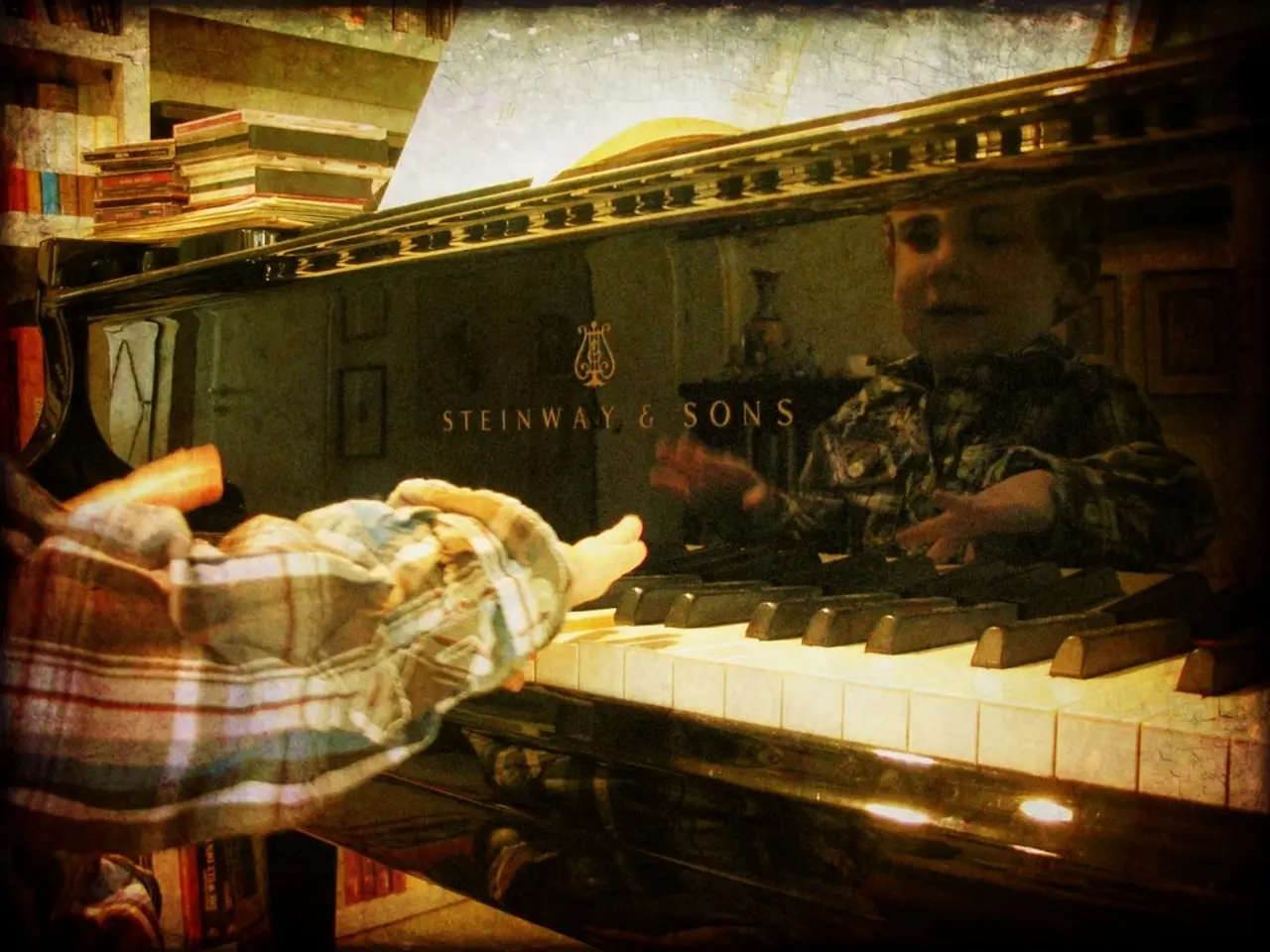
Music for Young Music Lovers in Early Education
Action songs, with their catchy tunes and physical movements, offer a fun and engaging way for preschoolers to develop various skills essential for their growth. These songs help children build motor skills, foster cognitive growth, and promote social development in a multitude of interconnected ways.
Motor Skills Development
Action songs involve a range of movements, from clapping and tapping to marching and finger plays, which help improve both gross and fine motor skills. These activities enhance coordination, balance, and spatial awareness, all vital for everyday tasks and further motor development.
Gross motor skills, such as dancing or jumping, are essential for large muscle movements, while fine motor skills, like hand and finger movements, are crucial for tasks like writing and manipulating objects. By engaging in these activities, children can develop the essential skills needed for everyday life.
Cognitive Growth
The repetitive and rhythmic structure of action songs aids language development by encouraging articulation, phonological awareness, and vocabulary expansion. Children learn to recognize patterns, sequences, and musical concepts like tempo and beat, which underpin mathematical thinking and executive functions such as memory, concentration, and anticipation of cues.
Counting songs also introduce numeracy concepts, subtly teaching number sequences and mathematical relations through playful rhythm and rhyme. This approach makes learning fun and memorable, helping children to absorb new information more effectively.
Social Development
Performing action songs in groups helps children develop synchrony—the ability to coordinate timing with others—which is foundational for teamwork and social interaction. Musical games motivate children to engage, share experiences, and learn from each other in a joyful, cooperative setting, reinforcing social skills and communication without external rewards.
Adaptations for All Children
These activities can be adapted for children with different needs. For example, the tempo can be slowed down for children who need more time to process movements, while visual aids like hand shadows or flashcards can be used if auditory instructions overwhelm. Classics like Head, Shoulders, Knees and Toes can be slowed down or sped up for different ages and abilities.
Digital platforms like YouTube or teletherapy apps can offer interactive versions with animated cues, making it easier for children to follow along. Role rotation allows children to invent new motions during dance sessions, encouraging creativity and self-expression.
Repetition remains key for building brain connections and mastering sequences gradually. Evening routines can incorporate twinkle songs and stretching exercises before bed, providing a calming and soothing end to the day.
In summary, action songs create an engaging multisensory experience that simultaneously advances young children's physical coordination, cognitive abilities (especially language and numeracy), and social competence through interactive music and movement. By incorporating these songs into daily routines, caregivers can help preschoolers grow and develop in a fun and engaging way.
- Engaging in various movements within action songs, such as marching and finger plays, not only help children enhance their motor skills but also improve their coordination, balance, and spatial awareness, vital for everyday tasks and further motor development.
- The rhythmic structure of action songs aids children's language development by encouraging articulation, phonological awareness, and vocabulary expansion, also helping them recognize patterns, sequences, and concepts like tempo and beat.
- Performing action songs in groups develops synchrony, the ability to coordinate timing with others, which is foundational for teamwork and social interaction, and fostering communication skills without external rewards.
- Adaptations for children with different needs in action songs can include slowing down tempo for children who process movements slower or using visual aids like hand shadows or flashcards for those overwhelmed by auditory instructions.
- Digital platforms and teletherapy apps can provide interactive versions of action songs with animated cues, making it easier for children to follow along and enjoy the multisensory experience.
- Role rotation during dance sessions encourages creativity and self-expression, as children invent new motions for dance routines.
- Repetition remains essential for building brain connections and gradually mastering sequences, making the incorporation of twinkle songs and stretching exercises before bed an effective way to provide a calming and soothing end to the day, promoting personal growth.