
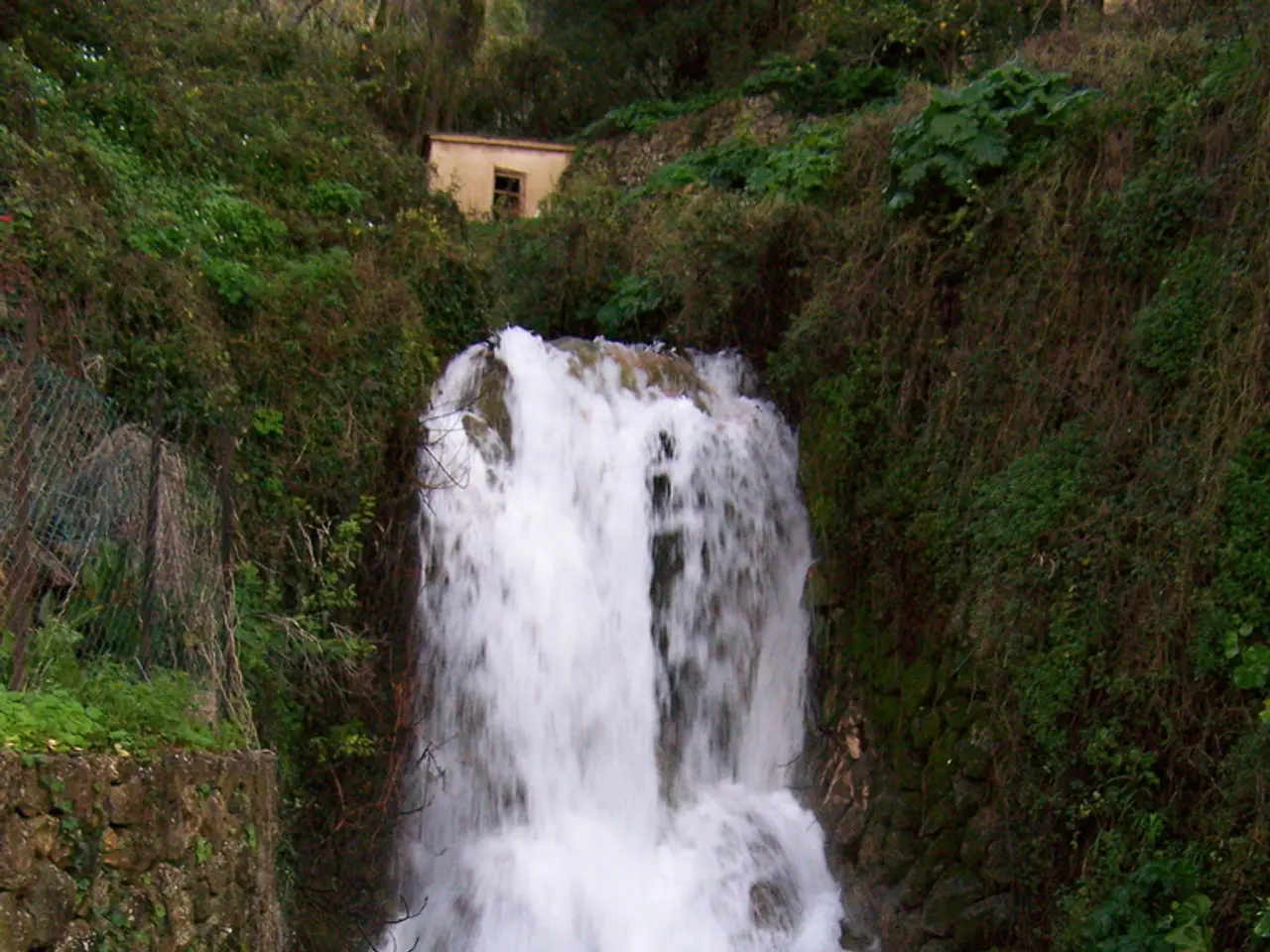
Unknown Landscaping Ideas for 17 Drainage Ditches!
In the quest to create a beautiful and functional garden, drainage ditches often go unnoticed. However, with a bit of creativity and planning, these water management systems can be transformed into striking landscape features that enhance both aesthetics and water management.
Glen, a gardening expert with over 15 years of experience in garden maintenance, design, and landscaping services, shares his insights on how to landscape around a drainage ditch effectively.
**1. Assess Drainage and Plan Planting Areas**
Start by observing how water flows and pools around the ditch during and after rainfall. This will help identify the best spot for planting and managing water. Ensure the ditch slopes properly to direct water away from foundations and problem areas.
**2. Prepare the Site**
Carefully remove grass and weeds around the ditch, avoiding compacting the soil to maintain good drainage. Grade the ditch gently with sloping sides towards the centre to allow water to flow easily and reduce erosion.
**3. Soil Mix and Mulching**
Use a soil mix with about 25% compost, 25% native soil, and 50% sand to promote drainage and plant health, especially if creating a rain garden near the ditch. Add mulch to help retain moisture and prevent weed growth.
**4. Select Water-Tolerant and Deep-Rooted Plants**
Choose native plants that thrive in wet or periodically saturated conditions to stabilise soil and absorb water. For ditches or rain gardens, plants with deep roots like native grasses, sedges, and moisture-loving perennials are ideal. For dry creek beds or drainage ditches, consider grasses, shrubs, and perennials that soften hardscape edges and withstand occasional wetness and dry periods.
**5. Erosion Control**
Place small to medium-sized rocks at inlet and overflow points to reduce soil erosion during heavy water flow. Use erosion control blankets or plant deep-rooted native grasses (such as fescue) on disturbed soil areas around the ditch to stabilise the soil quickly.
**6. Enhance with Swales or Dry Creek Beds**
Incorporate a swale— a shallow, grass-covered ditch along a natural slope—to divert excess water naturally and create a visually pleasing landscape feature. Alternatively, a dry creek bed lined with landscape fabric, rocks of various sizes, and planted edges with perennials and shrubs can add curb appeal while managing drainage efficiently.
By combining proper ditch grading, soil preparation, erosion control, and planting the right native species, you can create a functional and beautiful landscaped drainage ditch that improves water management and supports local wildlife.
A drainage ditch can be disguised and hidden using large plants, providing a visually pleasing alternative to decoration. Commercial grates can be used to collect drain water and push it down, especially if the driveway or yard is on a level with the garden. If there's a lot of standing water after it rains, a French drain may need to be built, which is similar to building a normal drainage ditch in the backyard.
Rock walls are important for controlling the amount of water that enters the ground from the drainage ditch. A rock ditch can be created as a low-cost drainage solution, requiring minimal effort and labor, and often used by farmers. Decorating a drainage ditch with a theme that matches the rest of the garden is recommended.
To prevent run-off water from ruining a lawn, a dry creek bed can be made at the end of a garden with pebbles in the middle and larger stones on the outside. A walkway with a water collection facility can be created inside a drainage ditch, providing a dry area to walk over. Stepping stones on the sides of a drainage ditch can provide a place to step during the rainy season and keep clothes and shoes clean.
A rain garden can be created in the drainage ditch, growing native plants and collecting water, making it a win-win situation for both aesthetics and functionality. Landscaping rocks can be used to create a fountain in the drainage ditch during heavy rain. Footbridges can be added to a drainage ditch for pets and as an extravagant addition to the garden.
The article discusses drainage ditch landscaping ideas for gardens during the rainy season. With these expert guidelines, you can transform your drainage ditch into a stunning garden feature that not only manages water effectively but also adds beauty and charm to your outdoor space.
- Fashion-and-beauty: Decorating a drainage ditch with a theme that matches the rest of the garden is recommended, elevating the aesthetic appeal of your outdoor space.
- Lifestyle: With proper ditch grading, soil preparation, erosion control, and planting the right native species, you can create a functional and beautiful landscaped drainage ditch that improves water management and supports local wildlife, enhancing your enjoyment of your garden during the rainy season.